Teachers carry enormous weight. Summer is not simply time away from school; it is the season when we regain equilibrium. My yoga teacher regularly invites me to slow down and hold a pose professing, “it is only injury which is likely to happen when you move too fast.” Any glint or murmuring to slow down grows louder when I consider who I probably have cited more than anyone else in my writing the past years, Paul Salopek. After 13 years walking across the planet, Salopek has taken an estimated 30 million steps along the 42,000 kilometer journey, an experiment he calls, “slow journalism.” A level of patience in near accordance with geologic time. Yet, for most of us, our pace of life seemingly continues to only quicken, resembling anything but slow. Which maybe makes it fitting to consider the importance of “summer” and how a fundamental geological term called isostasy might be relatable.
Isostasy: Finding Equilibrium
Isostasy is the Earth’s way of maintaining balance. Imagine the Earth’s crust floating on a softer layer beneath it, much like a wooden raft floats on water. When extra weight is added, such as a massive glacier or thick layers of sediment, the crust slowly sinks. When that weight is removed through melting ice or erosion, the land gradually rises again in a process called isostatic rebound. The Earth does not rebound instantly. Neither do people. Recovery requires time, space, and patience.
Students and teachers need time to recover after the weight of a demanding school year. Maybe not at quite the same scale. Summer is often described as time off, but that phrase misses the point. For educators, summer is not an escape from work. It is part of our work. A season of recovery, reflection and renewal. Energies hopefully rise, while curiosities and creativity stir. The pause may even precipitate the gaining of new perspectives.
Recovery begins as soon as a weight is lifted. Whether it be rebound from rapidly melting glaciers, or the restorative choices students, teachers, and administrators might choose in the summer. For me, renewal rarely comes from simply resting. It comes from pursuing experiences that reconnect me with curiosity, challenge, and purpose. Also, the discovery of new places, internally and externally from the self.
An Unexpected Invitation
On first appearance I would have guessed it was the choice to lead a teenage group on a ski trip to Patagonia, would provide the most isostasy.
Co-leading summer trips are usually the best professional development opportunity. Yet, it was an email invitation that brought a degree of renewal far beyond what I might have imagined.
The offer was to lead an online class for girls in Afghanistan. The subject of the e-mail, “Volunteer with Awesome Afghan Scholars” captured my attention. I opened the message and read “I have become a board member for the Alekain Foundation, a nonprofit that provides US-accredited high school education opportunities for girls and young women in Afghanistan. This summer, we’re looking for volunteers to implement project-based or skills-based online “camp” offerings.” The wheels of my creativity quickly began to turn.
When Purpose Becomes Curriculum
What might I offer that would be meaningful?
I stewed over this for a short while.
With absolute autonomy, I started with purpose and then began to develop content. Then determine duration and what would be asynchronous. Further, what value could be added synchronously. In the end, I titled the course, “Finding Your Why: Stories, Walking, and the Power to Shape Your Future.” The course overview: Why am I here, and how can I make a difference? Through stories, observation, reflection, and conversation, students will discover how purpose grows through curiosity, relationships, and small acts of courage. Drawing inspiration from Simon Sinek’s idea of finding your “Why,” the global walking journey of Paul Salopek, the community-building stories in Seedfolks, and anthropology’s focus on understanding people and cultures, you will learn to see your communities (and hopefully yourself) in new ways. No classroom is required. The world becomes the classroom!
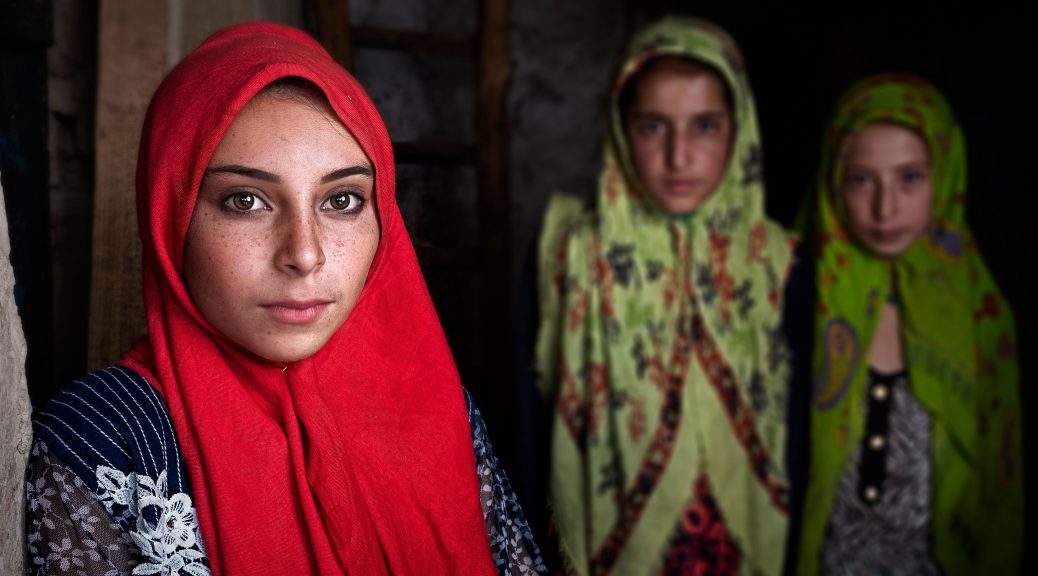
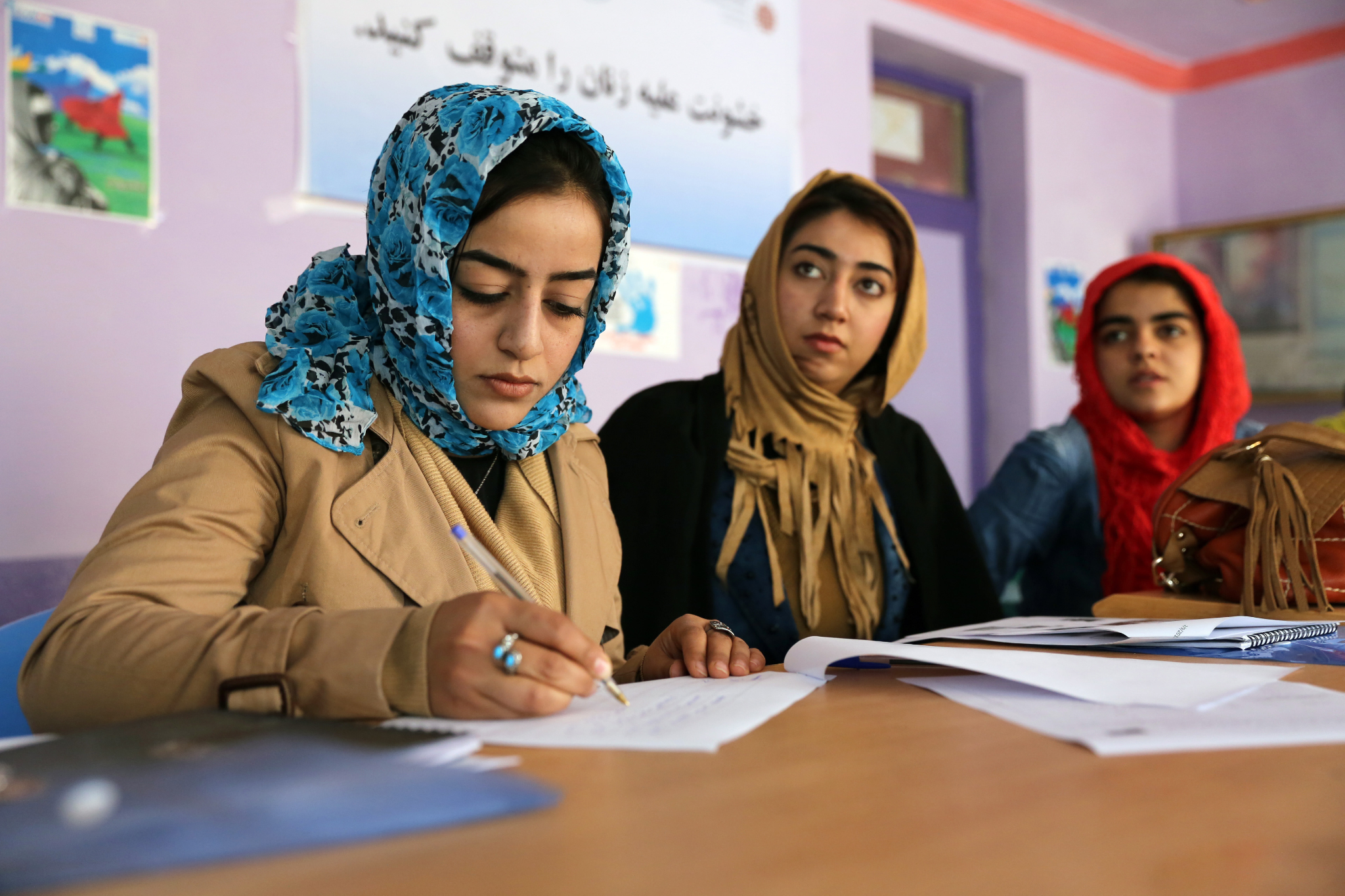
Twenty girls, young women, signed up. An absolutely invitational approach was taken. No grades and deadlines kept loose. Yet sort of a sprint as it was a two-week course. Five years ago the Taliban seized power in Afghanistan and girls were banned from secondary school. In September 2024 the Taliban’s Higher Education Ministry confirmed that the Taliban’s supreme leader and his ministers vow to “never open girls’ schools.” Rivers can be dammed, but water will always find another path. Determined to learn, but also lead a different course forward, the girls do more than show up. So respectful on Zooms, emoticon hands would rise up in numbers or students would politely interject, “Sir, can I please speak?” I even received a message, “Thank you dear teacher.” Courtesy, grace, and genuine gratitude in abundance.
Discovering Purpose and Possibility
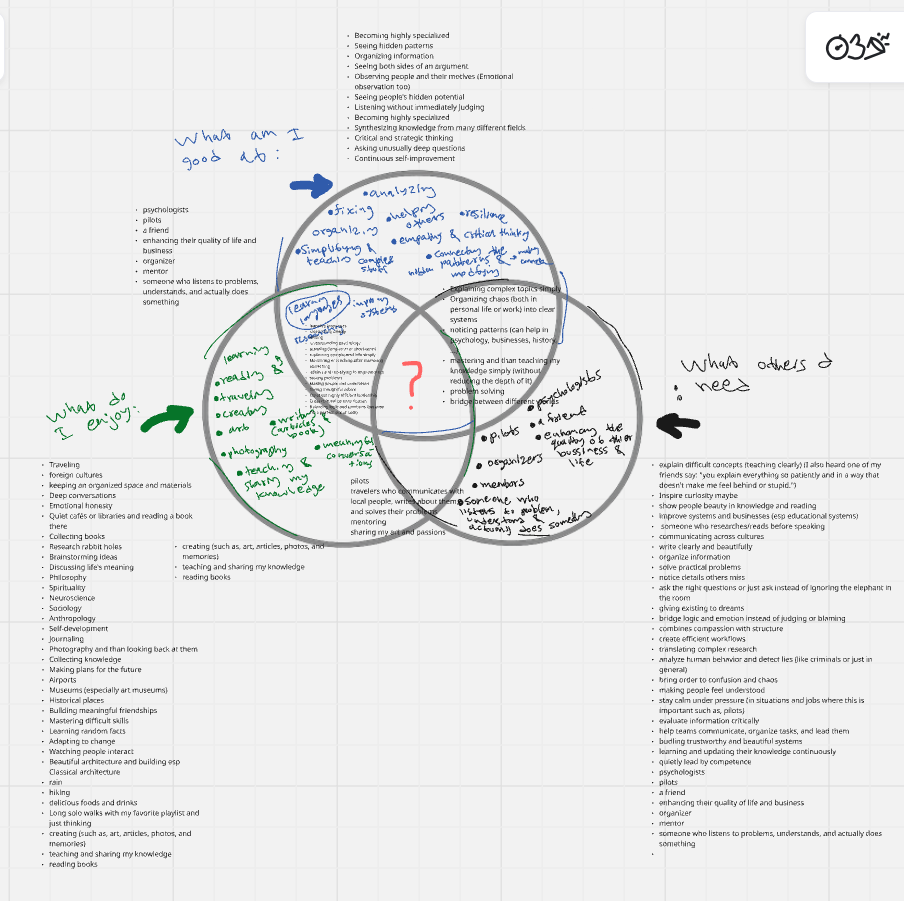
In one of the opening activities, an assignment asked students to consider what they were good at, what they enjoy, and what the world needs. I similarly begin this with my in-person students and on more than a handful of occasions have borne witness to students struggling to respond. And “playing video games” or “Tik Tok scrolling” are not uncommon listings in the “What I am good at” segment. This go around, any expectation I could have had would be superseded. And this was only the beginning.
With each assignment, learning resembled what I believe. Exploration, creativity, and depth. My heart welled up repeatedly hearing messages like this one: “I want to use education to open doors for people who have been denied them, just as I once searched for those opportunities myself. My purpose is not only to achieve my own dreams but to help others believe that their future can be different.” Google Doc comments and questions always followed up and the course took on a conversational feel.
The Light That Continues to Shine
“Sir, before 2002 in Afghanistan many people didn’t have electricity and used an alekain (lamp). This was a basic tool for brightening their nights. I was born in 2008 so I don’t know much about life before me , but I don’t think it was so nice.” Another student stayed at the end of one of our Zoom meetings to personally share how she often ponders, “I think if everything didn’t happen with the Taliban, I would just be a normal high school student.” Her voice carried a quiet lift of optimism. Grateful for working as a teacher, in marketing and now sales. All the while taking every opportunity to advance her studies as well.
I am so glad I responded to the request, “Volunteer with Awesome Afghan Scholars.”
My perspectives broadened.
I am left inspired in so many ways.
The experience with the Alekain Foundation and these indefatigable Afghan girls became my own isostatic rebound. Through them, I found myself restored to balance, renewed in purpose, and ready for another year in the classroom.
########################
