Fabulous (new) titles that will help stimulate your students’ curiosity and their quest for knowledge. These books are fascinating for readers of all ages – from migration miracles to human immigrations around the world.

Circle by Jeannie Baker is a great book to discuss migrations, global travels and wildlife. Baker uses her amazing art and poetic text to describe the unique migration patterns of godwits – birds making the longest, unbroken journey of any animal on earth. The illustrations show different continents where the birds rest and congregate before traveling on to find their nesting grounds. Both an impressive story and artful picturebook. ISBN 978-0-7636-7966-8, Candlewick Press

My Book of Frogs and Toads by Geraldo Valério is a lushly illustrated guide to all things frog. What is the difference between frogs and toads? Where do they live? How do they survive the winter? Child friendly with vibrant colours and chockfull of information, this is a fascinating books. It starts with the life cycle of frogs and toads and gives lots of details on many different types. There’s a glossary in the back. A great book to have in the home or classroom anywhere frogs croak! 978-1-77306-921-0, Groundwood Books

Wishtree by Katherine Applegate. Like all of her books, Katherine Applegate writes beautiful fiction tinged with poetry and just a little touch of magic. Wishtree is told in the voice of a tree. It is also the story of an immigrant or refugee family moving into a not-too-friendly neighborhood. How do you write that in the voice of a tree? Katherine Applegate pulls it off. The story is believable and full of hope – not just for the family but also for the tree which shelters families of raccoons, birds, skunks and more. All the character became endearing and intertwined. This novel is a great one to read aloud in a classroom (grades 2 – 5) and discuss on many levels with your students. ISBN 978-1-250-043221, Feiwel & Friends
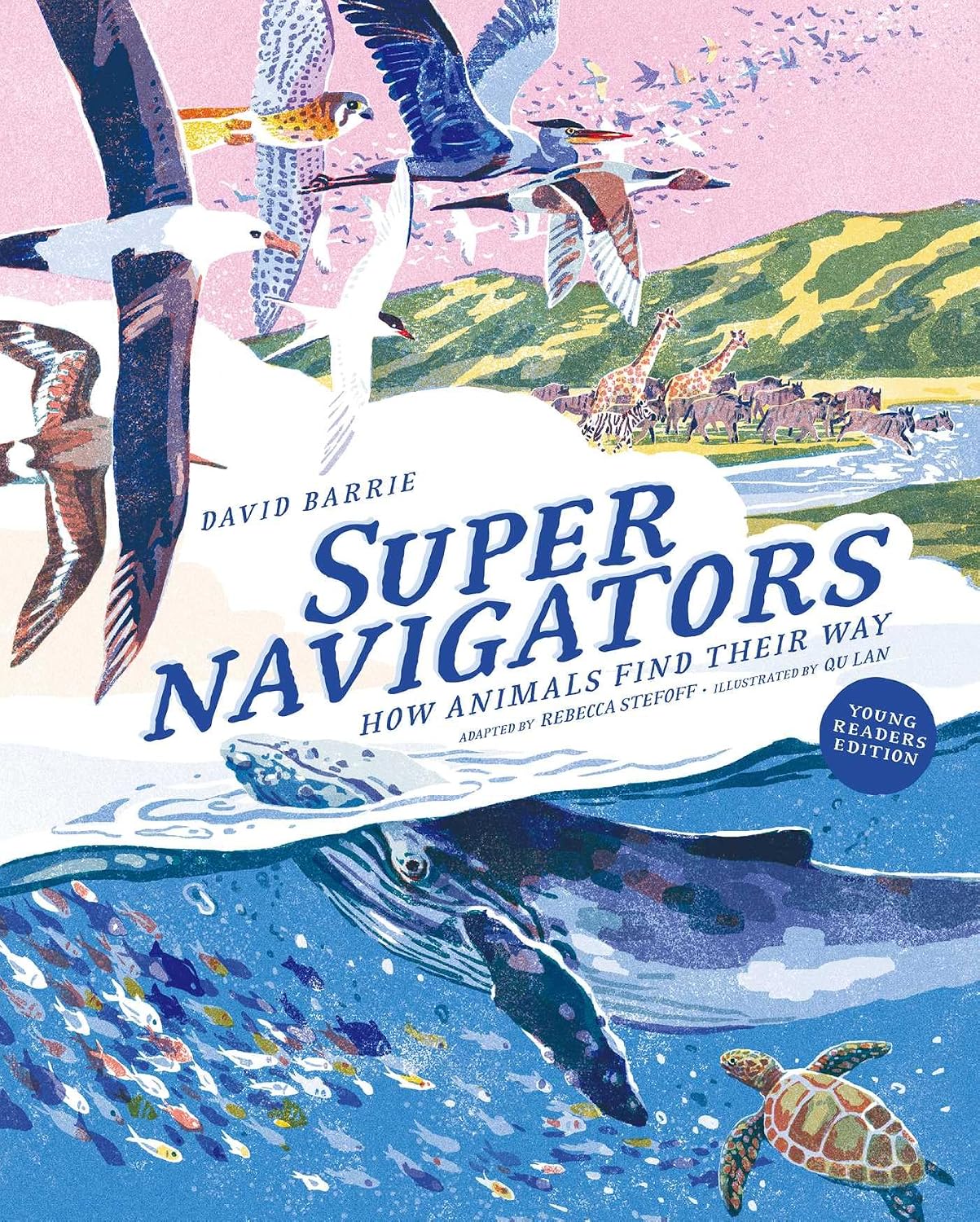
Super Navigators, How Animals Find Their Way by David Barrie and Rebecca Stefoff, is a nonfiction picturebook about much more than migration. From wasps to plankton, from from birds to wildebeests, this book examines the how and why of animals on the move. It takes a closer look at constellations and magnetic fields. How do animals use senses like sight and hearing to help them travel? How do fishes and birds travel in formations? This is a fascinating, in-depth look at unique animal adaptations that will intrigue budding scientists of all ages. ISBN 978-1-962098-13-7, TRA Publishing

Are We There Yet, How Humans Find Their Way by Maria Birmingham takes a look at how humans find their way from one place to another. How do people navigate? Can you tell directions by looking at the stars? How do maps help us to find places andhow have maps evolved through the ages? The book looks at how people have traveled through the ages and takes us from dogsleds to spaceships. ISBN 978-1-4598-3520-7, Orca Book Publishers
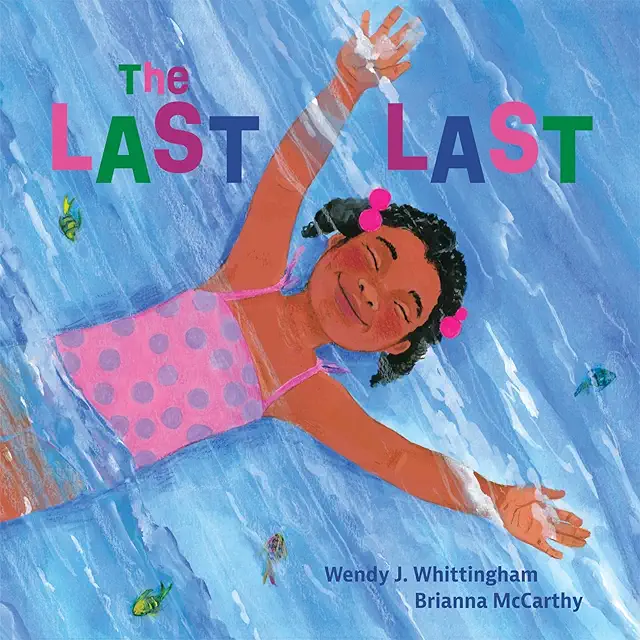
The Last Last by Wendy Whittingham, illustrated by Brianna McCarthy is the story of a child who has to leave her island home for a far away new place to live. While her family is packing, she goes on her last walk, takes a last smell of roast corn, a last chew of sugarcane and says goodbye to the last birds she knows so well. As they travel to the unknown new home, she carries one last seashell to remember. In the new city, everything is different. But one new bird greets her for the first time… This promise of also many firsts to come, makes for a happy open ending!
A good story to discuss what it is like to emigrate, to leave a known world behind and about familiar things around us. Groundwood Books, ISBN 978-1-77306-865-7
Margriet Ruurs travels the world to share books with children. Contact here here: www.margrietruurs.com and www.globetrottingbooklovers.com
