Tag Archives: environment

GLOBAL BOOK RECOMMENDATIONS

Fake news, war, food production… they are all current topics in the adult world. These brand new books give a child information on these current issues.
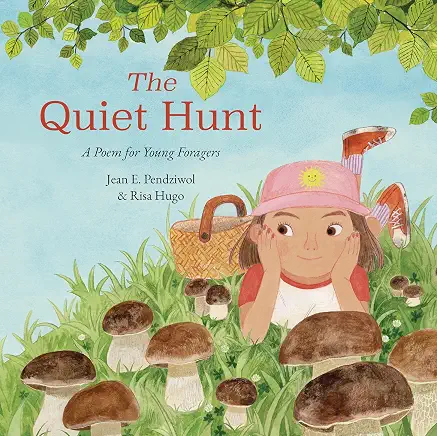
The Quiet Hunt, written by Jean E. Pendziwol and illustrated by Risa Hugo is an absolutely lovely picture book that reminds us where food comes from. Before supermarkets and shops, our ancestors would hunt. They gathered berries and fruits and knew just what was safe to eat and what was not.

Through sharing knowledge, we still can hunt and gather today as we go into the woods and search the streams. A great poetic story to share before going on a nature walk.

ISBN 978-1-77306-767-4, Groundwood Books
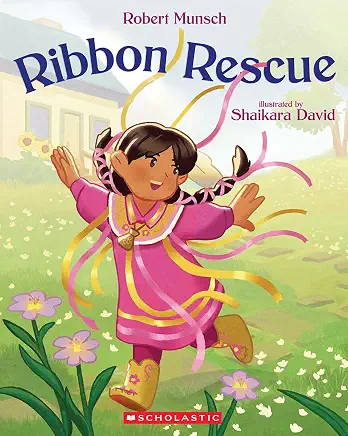
Ribbon Rescue is a brand new picture book by Robert Munsch, illustrated by Shaikara David. Jillian is a Mohawk girl and has a beautiful new ribbon dress, made by her grandmother. But when Jillian leaves home, people rush by en route to a wedding, looking for help . She helps them all and her ribbons come to the rescue: as a shoe lace, as hair ribbons, even to tie up a gift. But when Gillian finally makes it to the church, her dress is a mess. How will she solve her problem? The story wraps up, in typical Musch style, with a satisfying ending.

ISBN 978-1-0397-1384-0, Scholastic Canada
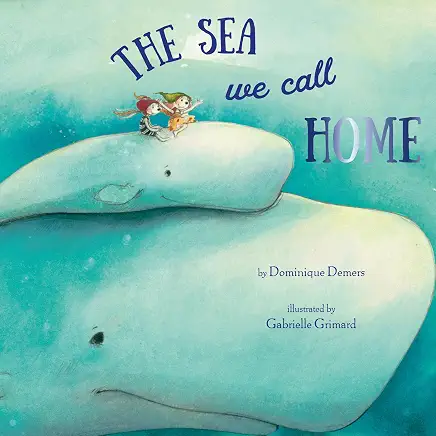
The Sea We Call Home, written by Dominique Demers and illustrated by Gabrielle Grimard, is a whimsical tale of two sweet characters named Little Gnouf and Mirabelle. They have learned about sea creatures from The Big Book of the Sea. Enchanted, they set off in search of the sea. They are amazed by the seaside and soon discover a baby sperm whale, stranded on the beach. With the help of sand crabs and seagulls they set it free and reunite it with its mother. This picture book has a fairytale feel while also giving nonfiction facts about whales. It is beautifully designed with large print.

ISBN 978-1-77278-367-4, Pajama Press
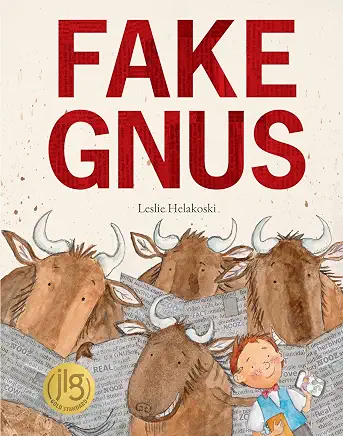
Fake Gnus by Leslie Helakoski is a fun, humorous romp through real and fake facts. Scoop Jackson is a reporter and has to figure out if the information he hears is real or fake. He soon discovers that the pen for the gnus at the zoo is empty. Where are the gnus? Using facts, Scoop is able to separate facts from fiction to determine if the rumours or true or not. Are the gnus climbing the Empire State Building? No! Gnus can run, reaching speeds of up to fifty miles an hour but they cannot climb.  At the end of the hilarious story, readers find statements and need to determine if these are real or fake. Another page helps young readers to question, to look for information and not take anything for granted. A great introduction for young students to doing research and using your brain to distinguish between real information, AI and fake news.

ISBN 978-1-77946-050-9, Groundwood Books
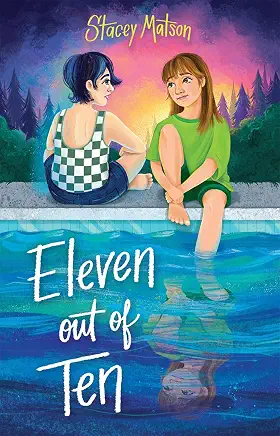
Eleven Out of Ten by Stacey Matson is a wonderful novel for elementary readers to sink their teeth in. Albie and Lake are not just cousins and neighbors, they are also best friends. But when Lake suffers a terrible accident, the two are separate for this first time. 

Albie’s parents are so concerned about Lake and her family that they don’t realize the toll this takes on Albie. Albie struggles with the fact that she is having fun and making new friends while her best friend is in a coma. No matter how often she tells her parents that she wants to see her, she is told that no one is allowed in the ICU and that she can’t go to the hospital. Instead, she has to go to day camp and can’t share any of her experiences with her friend. 

The story is well written and realistic with a satisfying ending. A great novel for young readers to sink their teeth into!

ISBN 978-1-0397-0879-2, Scholastic
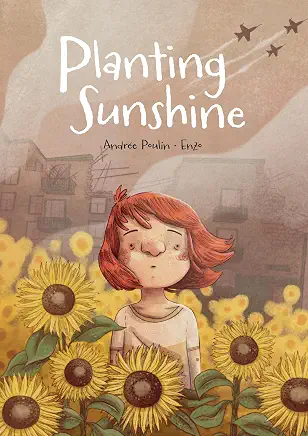
Planting Sunshine by Andrée Poulin, illustrated by Enzo, is an unusual, short novel. Written as free verse poetry, with each page being a poem, this is the story of a child puzzled by war. War enters his home on TV. Theo wonders why there is war, why people kill each other, and his parent has no answers. 

His neighbor has lived through a war. She makes the best perogies and suggests that Theo plants sunflowers. But at school Theo’s friends argue and want to play war. War gives Theo nightmares until his dad realizes that Theo needs to talk about his fears. A girl paints white doves in a quiet protest to war. Once Theo can talk about it and finds small ways to protest as well, he feels much better. He knows that he can’t change the world, but doing what you can to prevent war does help.

This is a wonderful book to help students discuss war, to talk about their own fears, to look for answers together and even to find small ways to protest war anywhere.

ISBN 978-1-77946-138-4, Groundwood Books

Margriet Ruurs writes books for children in Canada and visits International Schools around the world. Her next book is called More Than Books, Why The World Needs Libraries (Orca Books).
www.margrietruurs.com

GLOBAL BOOK RECOMMENDATIONS

Diversity, how others live, choices you may have to make… These are the themes that tie these books together. From a picturebook about heritage to a teen novel about different viewpoints. Happy reading and sharing with students!

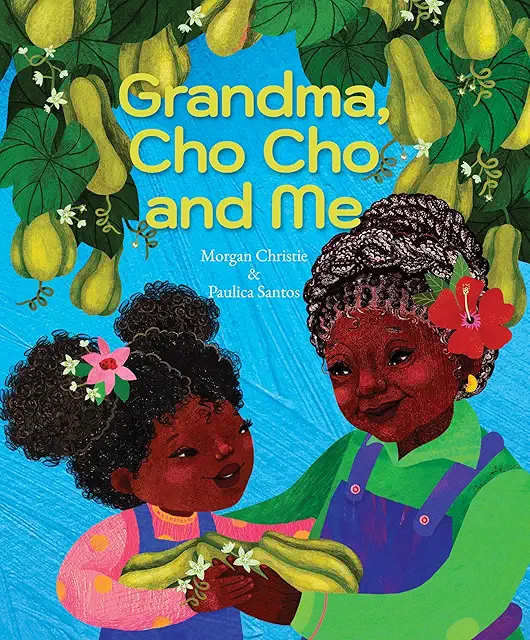
Grandma, Cho Cho and Me, written by Morgan Christie, illustrated by Paulica Santos is a lovely picturebook that celebrates diversity. As a young girl and her grandma prepare a big Jamaican breakfast, she learns about her heritage. As the tradition is handed down from generation to generation, the foods, the dishes and the stories help her to form an image of ancestors and her own place in the world.

ISBN 978-1-77306-751-3, Groundwood Books

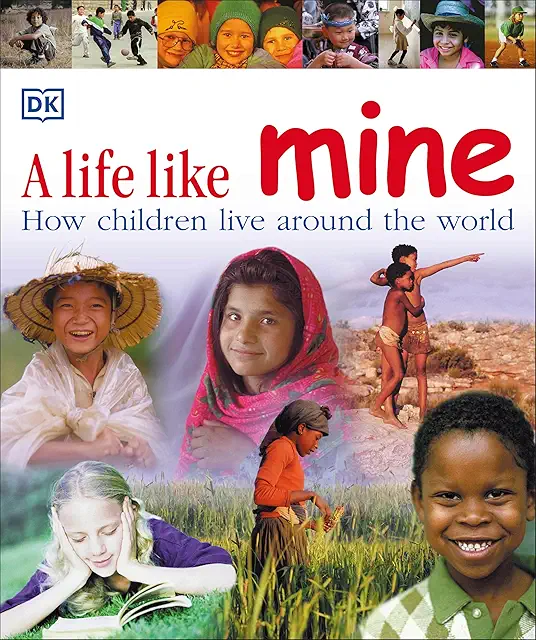
A Life Like Mine is a brilliant visual celebration of human life on our planet. The contents is organized in four main categories: Survival, Development, Protection and Participation. Within these areas, chapters cover essentials all children need, like water and food, war and peace, education and housing. Kids can find out what it is like to grow up on an Australian ranch or in a village in Rwanda. How do people in other countries cook and eat? What kind of religions are there? 

Breathtaking photos complement text boxes and personal narratives of children around the world. This handbook to life on earth is a valuable tool for any classroom.

The book was produced in association with UNICEF. This book was first published by DK Publishers in 2002 but should still be readily available. 

ISBN 0-7894-8859-0

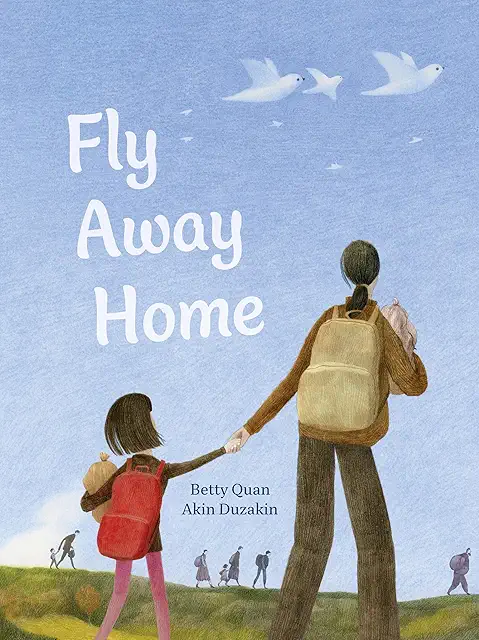
Fly Away Home by Betty Quan, with art by Akin Duzakin is a beautiful multi-leveled picturebook that can be used by readers of all ages. The lyrical text focuses on birds – different birds on each page. While goldfinches leave home, while hummingbirds buzz with news, and magpies cloud the sun the art shows a second story. People walk, in long lines, in small groups. They follow the same paths as the birds, leaving home in search of a new place to live. And where birds allow other species to live amongst them, the people also find homes. We follow a girl and her mother throughout the story. And as they find a new home, so do the birds make new nests. A lovely, subtle story to share with students who have come from many different backgrounds.

ISBN 978-1-77306-962-3, Gorundwood Books

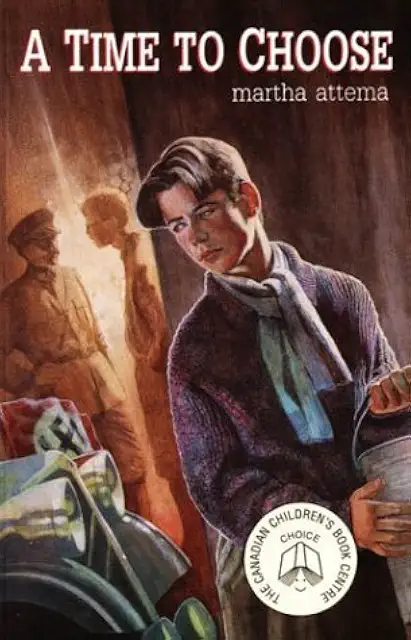
A Time to Choose by Martha Attema is a novel based on an angle of World War II which is not often discussed. We are all familiar with what went on in a room in a house in Amsterdam during German occupation, where people lived in hiding. A Time To Choose is the story of 16 year old Johannes who is Dutch. His movements and life, too, are restricted by the enemy’s rules and regulations. Even though his family lives on a farm, there is not enough food and soldiers can take anything they need for warfare purposes. Johannes’ father is a collaborator with the enemy. How does this effect Johannes and the rest of his family? During the final year of the war, Johannes is old enough to make his own decisions and listen to his own conscience. As he joins the underground resistance, he struggles with what it is right and with his father’s decisions. Johannes faces dangerous situations as he decides to help those who need it. An eye opener for readers of all ages and a story applicable to wars in the world today.

ISBN 1-55143-045-2, Orca Books

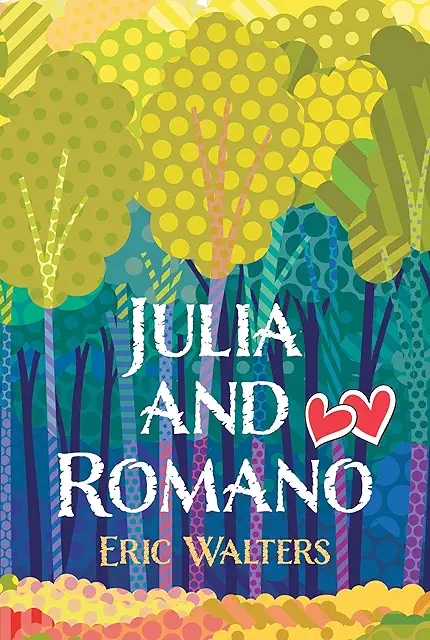
Julia and Romano by Eric Walters is a great, contemporary novel for teens. The seed for this book was planted when the author was asked, by a highschool student in a small town on Vancouver Island, what he would write about their town. Walters, not one to shy away from a challenge and always full of ideas for stories, immediately came up with a realistic plot that would appeal to students in this BC town. 

Julia has to move with her mom, away from all of her friends, from Toronto to Campbell River in BC. Cody has lived there all of life. Julia becomes good friends with Cody and it isn’t until their friendship blossoms into something more, that the two discover that their parents represent very opposing sites of a picture: a mom who is a lawyer fighting for the environment and a father who owns the local logging company.

This realistic page turner is a true Romeo and Juliet saga. It not only paints a good picture of life in a close knit town, it is also a good story for readers to curl up with.

ISBN 978-1-77086-823-6, BCD Young Readers

Margriet Ruurs is a writer of many awardwinning books for children. She conducts author presentations to International Schools worldwide.

www.margrietruurs.com

GLOBAL BOOK RECOMMENDATIONS

From elephants to sea turtles, from caterpillars to owls, here are some fabulous (new) books for children – and nature lovers of all ages – to learn more about the natural environment. I have included fictional and nonfiction texts, both picturebooks and novels.

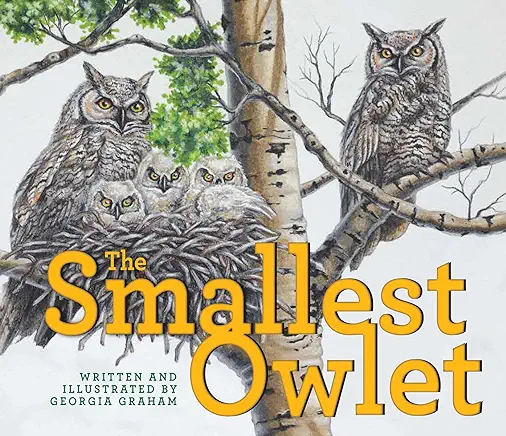
The Smallest Owlet, written and illustrated by Georgia Graham, is my new favourite nonfiction picture book with gorgeous art. It is an intimate look at day by day life of a pair of Great Horned owls. As we follow the hatching of eggs and growing of young, we learn about diet, growth and dangers faced by these majestic birds. Did you know that Great Horned Owls do not have eye balls? Or that the ‘ears’ on their head are not ears but feather tufts? A fascinating look at all things owl that shows readers how impressive nature has designed the smallest details. A beautiful book for owl lovers of all ages.

ISBN  978-1554556144, Fitzhenry & Whiteside

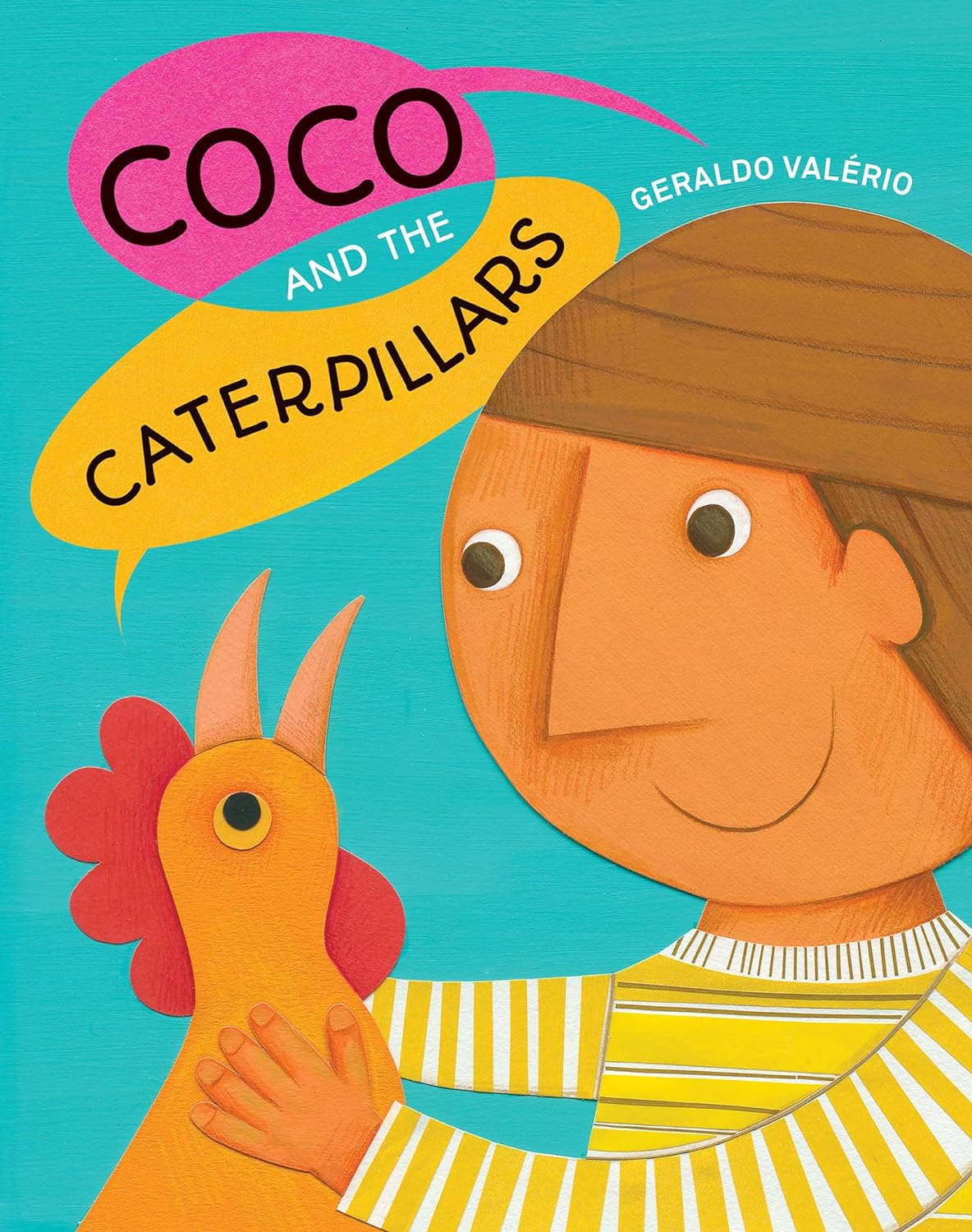
Coco and the Caterpillars by Geraldo Valério has wonderful paper collage images. My favourite character is Coco the chicken, who has a mind of her own. While a little boy studies books about plants, bugs and flowers, Coco is busy pulling tasty worms from the soil. While the boy discovers butterfly eggs underneath a leaf, Coco is chasing insects to eat. The boy can’t wait to see what kind of butterflies will come from the eggs and is careful not to show Coco. But when he goes to find her more chicken treats, Coco finds and devours most of the newly hatched caterpillars. And then she has a tummy ache. Luckily she did not eat all caterpillar and some turn into beautiful monarch butterflies. And while the boy studies their beautiful wings, Coco tries to catch them but they are too big for her now! 

If you have ever used The Very Hungry Caterpillar by Eric Carle in your classroom, this will be a valuable addition to your lesson plan about gardens and insects.

ISBN 978-1-77306-798-8, Groundwood Books

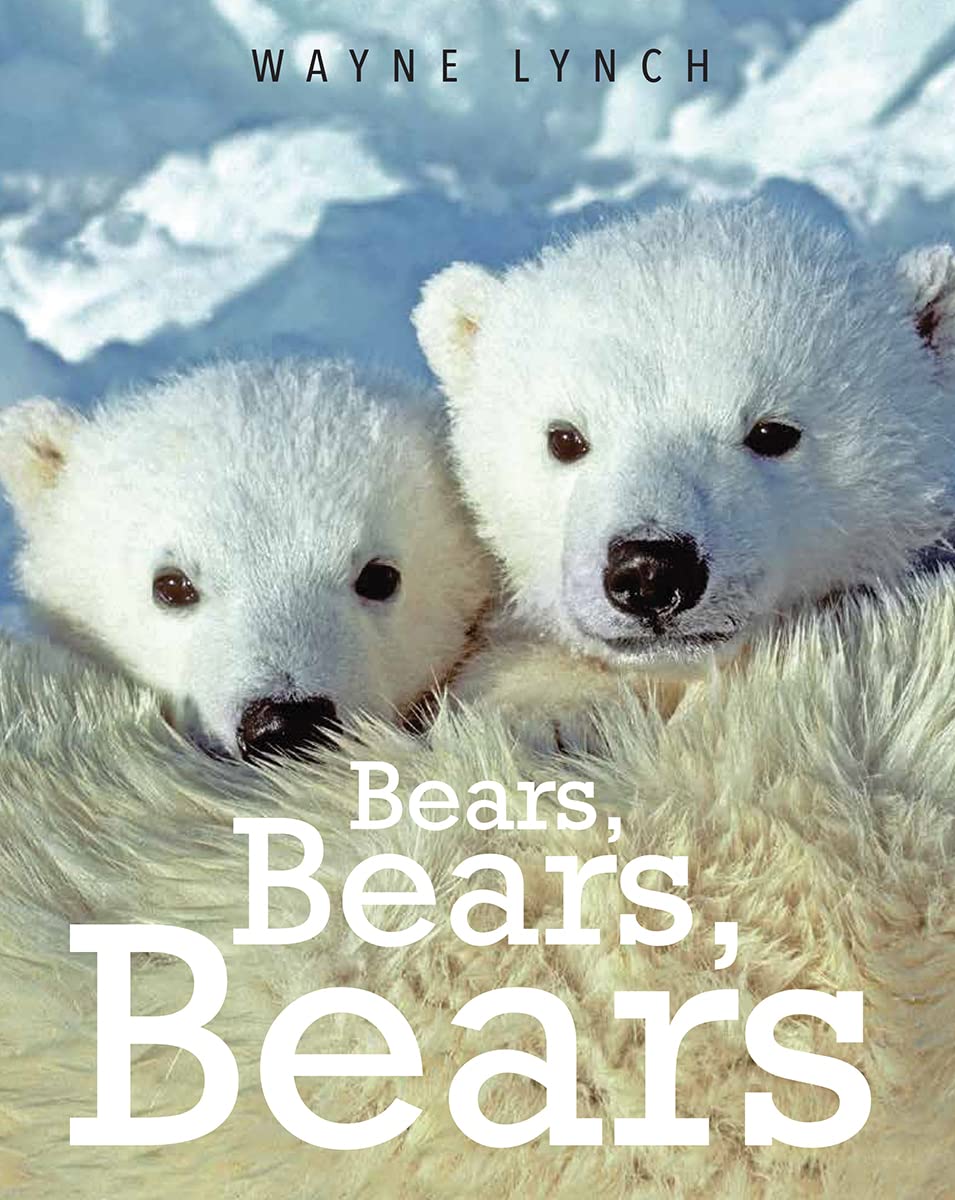
Written by science writer Dr. Wayne Lynch, the book Bears, Bears, Bears for Kids is the ultimate guide to all things bear. Not only does it include information on polar bears, grizzlies and black bears, but also on sun bears, sloth bears and many more. The informative text is full of fascinating facts. The photos give an intimate look into the lives of bears, what they eat, how they survive, and much more. A must-have bear guide for every classroom.

ISBN 978-1554556137, Fitzhenry & Whiteside

Little Bull, Growing Up in Africa’s Elephant Kingdom by Ellen Foley James is an older picturebook but so beautiful that I hope you can still find a (used) copy for your students. Through perfect text and photos, the author share the magic and the facts about a baby elephant, his environment, his family and his herd’s life. The book touches on lifespan and challenges faces by elephants, including drought, enemies and food. The photos are gorgeous and are a great reflection of the reality of Africa’s plains in the shadow of mount Kilimanjaro. Using a baby elephant makes the book very relatable for kids. 

ISBN 0-8069-2098-X, Sterling Publishing Co.

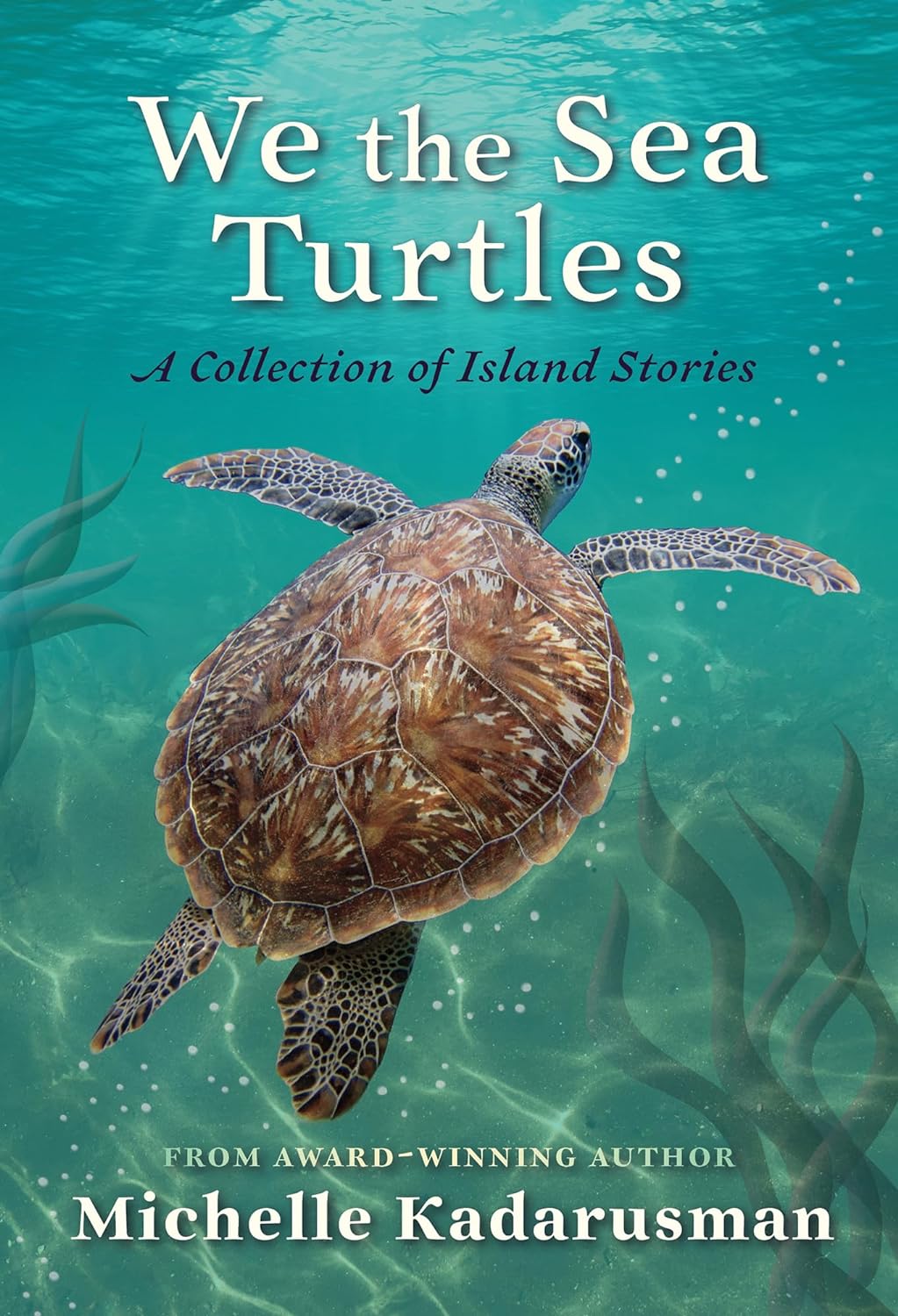
We The Sea Turtles by Michelle Kadarusman is a wonderful collections of short stories featuring turtles around the globe. Each chapter is placed in a different place: Australia, Florida, Indonesia and many more. Each story is a complete and interesting tale, always focusing on a turtle and its importance to man and nature. Stories deal with environmental issues, endangered species and global warming. This book is a must for any turtle lover and works for readers of all ages. Highly recommended for pleasure reading as well as adding value to curriculum content.

Use a world map to pinpoint the different locations, research the variety of turtles mentioned and discuss what you can do to help protect this amazing species.

ISBN 978-1772782851, Pajama Press

Margriet Ruurs is a Canadian author of many books for children. She conducts author presentations and writing workshops at International Schools anywhere.

www.margrietruurs.com

Earth Day Books

Earth Day was celebrated recently around the globe. What better way to celebrate than with books that create a lasting impression and support readers of all ages.

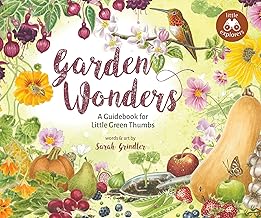
Garden Wonders: A Guidebook for Little Green Thumbs

For young students and budding gardeners, here’s a perfect picture book to celebrate the abundance of gardens. Garden Wonders, A Guidebook for Little Green Thumbs by Sarah Grindler shows how plants grow, what is needed to help plants to flourish, how you can feed the soil with compost, what plants do for nature and much more. The book has activities and is perfect to use if you have a school garden. It even comes with a package of wildflower seeds! This title complements the Little Explorers series which includes Seaside Treasures and Forest Magic. ISBN 978-1-77471-143-9, Nimbus Publishing

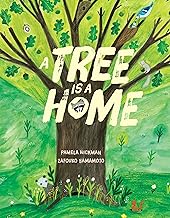
A Tree Is a Home
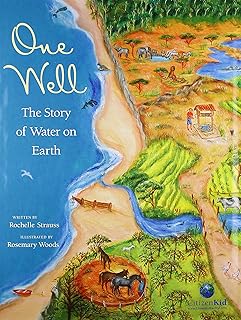
One Well: The Story of Water on Earth

Books I reviewed previously but perfect to use for Earth Day, include A Tree is a Home by Pamela Hickman and Zafouko Yamamoto is a beautiful picturebook to share with young readers when looking at the importance of all things tree-related (Kids Can Press). One Well, the Story of Water on Earth by Rochelle Strauss focuses on the water on earth in all of its forms and how it effects all life (ISBN 1525302361, Kids Can Press).

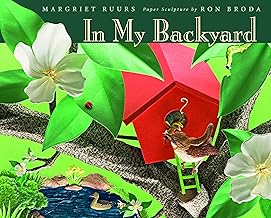
In My Backyard

I wrote a book called In My Backyard (Tundra Books) which shows common critters that live in urban backyards. The art includes hidden animals and a ladybug to spot on each page.  ISBN 978-0887767753, Tundra Books

Tying into Earth Day and climate change are these two nonfiction picture books:

50 Climate Questions: A Blizzard of Blistering Facts

50 Climate Questions by Peter Christie and Ross Kinnard is an appealing book chock ful of fun illustrations and jokes but also dead-serious facts about the environment and the effect humans are having on it, as well as what we can change to improve. This is not a new title but, unfortunately, every bit as relevant today. ISBN 978-1-55451-374-1, Annick Press

Trash Talk: Moving Toward a Zero-Waste World

Trash Talk by Michelle Mulder is a great title in Orca’s Footprint series. The subtitle is Moving Toward a Zero-Waste World. This book, too, hones in on the amount of packaging we use and how we can change that, thereby reducing our waste. Besides facts and suggestions the book offers many real examples of kids and groups working towards a better world. ISBN 978-1-4598-0692-4, Orca Book Publishers

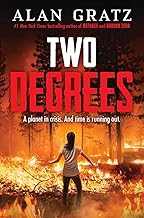
Two Degrees

Two Degrees by Alan Gratz. I was already a fan of Alan Gratz’ s powerful writing, especially in Ban That Book, a realistic fiction story about a school library and censorship. 

Two Degrees is a riveting read for both kids and adults. It brings home the message about climate change and global warming in an even more urgent way than any nonfiction book I have read.  

In his book Refugees, Gratz used tales of seemingly unconnected people, bringing them together in a skillful way at the end. He does the same admirable job in Two Degrees, showing that all places and people are ultimately connected. 

Using three different settings across North America, Gratz spins a realistic tale of what is happening to our planet right now, right here. Two boys in the Arctic face danger as polar bears are effected by think ice. A girl in Miami is caught up in the hurricane of the century while Akira in California needs to outrun a wildfire that is set on destroying her home and her life.

A fantastic read for anyone which brings home the urgent need for all of us to change our ways now. As Alan Gratz states in the very end of this book: “If the bad news is that humans are causing the climate crisis we face now, the good news is, we have the power to fix it. It’s your world, your future. It’s up to you to decide what you want that future to look like, and what you can do to make it happen.”  ISBN 978-1338735673, Scholastic

Margriet Ruurs is a Canadian author of over 40 books for children. She conducts author visits to International Schools anywhere.

http://www.margrietruurs.com

GLOBAL BOOK RECOMMENDATIONS

Nonfiction picture books can be a great teaching tool when talking about the environment. These new titles can be used with students of all ages to discuss science as well as art and writing.
One Well: The Story of Water on Earth

One Well, written by Rochelle Strauss, illustrated by Rosemary Woods. This impressive nonfiction picture book about the environment should be in every classroom, in every child’s hands. Water, the book explains, is one of the most important, and precious, commodities on earth. As in the book in the same series, If The World Were A Village by David Smith, this book says ‘if all water on earth’ was one well, this is how much we have and this is what we need to use it for. It explains in admirable child-friendly terms how water allows life on our planet. Did you know that you drink the equivalent of a backyard pool full in your life time? And that one cloud can weigh more than a blue whale? The book can be an eye opener to any water user and encourages much needed, water-friendly habits. ISBN 978-1-55337-954-6 Kids Can Press

A Tree Is a Home

A Tree is a Home by Pamela Hickman, with art by Zafouko Yamamoto is an in-depth look at the shelter offered by one tree. Like the house next to it, it offers a home throughout the seasons. The text and close-up art take us from the roots, where a chipmunk lives, to the highest branches and show us each animal throughout a year. A good a book to pair with Jeannie Baker’s Window – a look through the window of one house over many years. ISBN 978-1-5253-0236-7, Kids Can Press

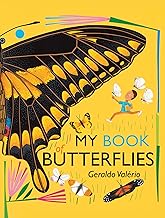
My Book of Butterflies

My Book of Butterflies, by Geraldo Valério is a large picturebook that can be a child’s first guide book. In A Very Hungry Caterpillar, Eric Carle eluded to the life cycle of butterflies in a fictional manner. This information book picks up the theme by showing fabulously painted butterflies and elaborating on their life cycle. From tiny yellow eggs to a wide variety of weird looking caterpillars to brilliant butterflies from a round the world, this book will encourage children to take a closer look at these amazing insects. Geraldo Valério also created My Book of Birds. ISBN 978-1-77306-335-5, Groundwood Books

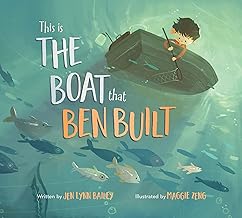
This is the Boat That Ben Built

This is The Boat That Ben Built by Jen Lynn Bailey, with illustrations by Maggie Zeng, is a very Canadian story of a northern river ecosystem. Beaver, bear, loon, goose – all gather momentum as Ben floats down the river and spots more wildlife. The text uses repetition as ‘moose strolls by bear taking a swim by the goose that glides by the loon that floats by the beaver in the river that carries the boat that Ben built’. Fun to read over and over with young students and create your own story based on animals your students may spot in their own surroundings. Nonfiction information on each animal is supplied in back pages. ISBN 978-1-77278-242-4, Pajama Press.

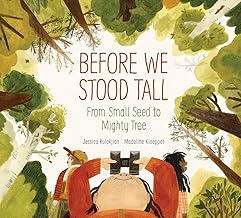
Before We Stood Tall: From Small Seed to Mighty Tree

Before We Stood Tall by Jessica Kulekjian, illustrated by Madeline Kloepper, is written in the voice of the trees themselves. From the time they are seeds floating on a breeze, they dream of standing tall in a kingdom of trees. But trees can’t do it alone – they need the soil, the insects, the wind and much more to allow them to grow tall and become a forest. A lovely story to look at the interconnectedness of nature. ISBN 978-1-5253-0324-1, Kids Can Press

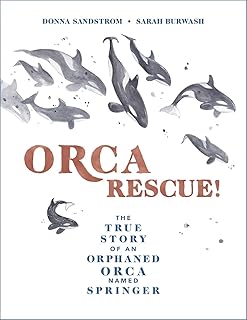
Orca Rescue!: The True Story of an Orphaned Orca Named Springer

Orca Rescue! The True Story of an Orphaned Orca Named Springer, written by Donna Sandstrom, illustrated by Sarah Burwash. This is a great book for all ages: the true story of an orca spotted close to Seattle, WA where no other pods where around. Through a set of circumstances, the author become involved in this young orphan’s life by helping to figure out why she was there and where her family was. The story tells in fascinating detail how marine biologists work, how pods are tracks, and how scientists are able to find out information. With 144 pages this book is divided into chapters and lends itself as a great read for all ages. ISBN 978-1-5253-0117-9, Kids Can Press

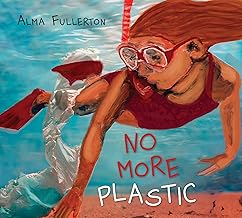
No More Plastic

No More Plastic by Alma Fullerton is the touching story of a young girl who witnesses a dead whale on the beach near her home. The whale died from eating so much plastic that he starved. It opens Isley’s eyes to a gigantic problem. She tries to convince others to no longer use plastic bags, containers or water bottles. But they soon forget. Isley doesn’t forget the whale and the impact plastic has on the ocean. She gathers so much plastic that she can build a sculpture the size of a whale. Thén her village realized the size of the problem. Together they work towards a solution: passing laws that ban plastics and making a difference. This is a story that can inspire readers to take action, no matter how small. It shows that we can all make a difference. ISBN 978-1-77278-113-7, Pajama Press

Margriet Ruurs has written many books about nature, including Wild Babies, Amazing Animals and The Boy Who Painted Nature, the story of wildlife painter Robert Bateman.

www.margrietruurs.com

GLOBAL BOOK REVIEWS

What difference can one person make? Have you discussed global warming, Black Lives Matter and gender equality in class? These books about activism are shining examples of how you cán change the world, one issue at a time.

I Have the Right to Save My Planet

I Have The Right to Save My Planet, Alain Serres and Aurélia Fronty is chock full of facts about climate change and endangered species. The book explains that every child on earth has the right to water and clean air as decreed by the International Convention on children’s rights. It spells out many of the problems the earth is currently facing but gives children ways to manage these concerns: get your family to buy less plastic, don’t eat cookies made with palm oil from trees that are replacing rain forest, etc. With an interesting voice combined with beautiful art, this book is part of a ‘Rights’ series. ISBN 978-1-77306-487-1, Groundwood Books

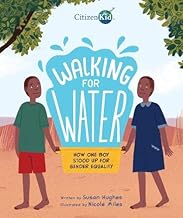
Walking for Water: How One Boy Stood Up for Gender Equality

Walking For Water, How One Boy Stood Up for Gender Equality by Susan Hughes, illustrated by Nicole Miles is a wonderful story inspired by true events in Malawi. Victor and Linesi are twins. They love going to school but at some point Lenesi is the one who can’t go anymore because she has to fetch water for the family. In school, the new teacher tells the children about gender equality. Soon Victor sees the unfairness of this and has a plan: he and his sister take turns going to class and fetching water. The changes have a ripple effect so that, soon, equality becomes not just something that is only talked about but practised as well.  ISBN 978-1-5253-0249-7, Kids Can Press

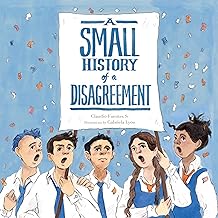
Small History of a Disagreement

A Small History of a Disagreement by Claudio Fuentes, with art by Gabriela Lyon. This story is based in Chile but is so universal it could take place anywhere. Children come to school, after the holidays, to find a large fence blocking access to part of their school grounds, including the tall Monkey Puzzle tree. The introduction explains that this tree is millennial, more than a thousand years old and endangered. But laws allow it to be cut down to make room for the much needed school expansion. Soon, the controversies and debates begin. Groups form in favour of development as well as in favour of protection. Who will win? And how will so many students ever agree? Focused on a school based issue, this is the universal story of debate, disagreement and reaching satisfactory solutions through research and debate. A book that should be mandatory for all politicians… ISBN 978-177164-707-6, Greystone Kids

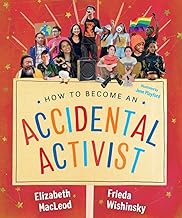
How to Become an Accidental Activist

Following How To Become An Accidental Genius, Frieda Wishinsky and Elzabeth MacLeod followed that title with How To Become An Accidental Activist. The book shows how many people, from all corners of the world, may be accidental, but definitely heroic, activists by standing up for what they believe in. The book shows people in history but also today taking action against social, gender or racial injustice. It shows what young people do for the environment and against bullying. The book shares inside stories of well known people like Jacinda Ardern in New Zealand and Greta Thunberg in Sweden, but also of lesser known heroes like Rigoberta Menchu Tum standing up for equal rights in Guatemala and Song Kosal from Cambodia advocating against landmines. This book shows that you are never the only one and never should be discouraged from fighting for change and believing in doing the right thing. ISBN 978-1-4598-2611-3, Orca Book Publishers

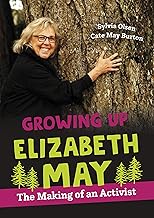
Growing Up Elizabeth May: The Making of an Activist

Growing Up Elizabeth May, The Making of an Activist, written by Sylvia Olsen with Cate May Burton – is the story of how a girl from Connecticut became the leader of Canada’s Green Party. Inspired by her mother to take action against injustice, Elizabeth studied problems she saw around her in the environment. She fought for what she thought was right and battled politicians to ban pesticides. Eventually, that young girl was named one of the most influential women in the world, showing other young people to take action for what they believe in. This inspiring book is supplemented with examples of young people’s actions against plasticide, air pollution and more. Even though this book is about one particular person in North America, it is also a universal story of what can happen if you follow your heart and stick to your convictions. ISBN 978-1-4598-2370-9, Orca Book Publishers

Margriet Ruurs conducts author presentations and workshops at international schools around the world. Contact her directly to book for your school.

Books & the environment

From simple concepts to complicated science; from preschool to high school, (picture)books can serve to discuss and discover information about the environment, including climate change and endangered wildlife. These books can lead to hands-on projects such as adopting a whale or planting trees. The books can also serve as examples to write your own classroom stories about your specific environment or favorite (endangered) animals.

Miss Rumphius

One of the earliest picture books about the environment is perhaps the ever popular classic Miss Rumphius by Barbara Cooney. It is the story of a librarian who wants to travel the world ánd make the world a more beautiful place. She does so by planting wild flowers that form an everlasting legacy. A lovely story that can lead to a classroom discussion of “How will you make the world a more beautiful place?”. Students can start a school garden or plant seeds in pots. ISBN 0-14-050539-3

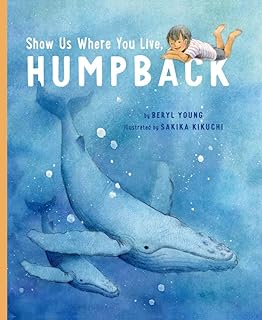
Show Us Where You Live, Humpback

Show Us Where You Live, Humpback, written by Beryl Young, illustrated by Sakika Kikuchi. A gentle story to share with young readers, it compares where Humpback lives with her calf to a child in his own environment. Both are growing bigger, both need food and a clean environment to thrive. And both are learning new skills as they grow. A perfect picture book to install a love of, and respect for, nature. ISBN 978-1-77164-573-7, Greystone Kids

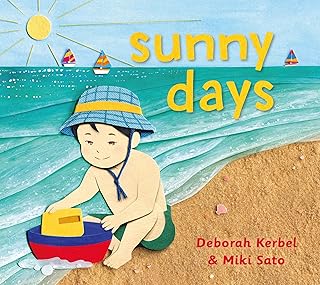
Sunny Days

Sunny Days by Deborah Kerbel features attractive collage art by Miki Sato. This padded board book celebrates a day outside for very young readers. Written in rhyme, it shows how to plant seeds, bake mud pies and splash in the ocean. Added activities in the back make children aware of the environment and simple science. ISBN 978-1-77278-197-7, Pajama Press

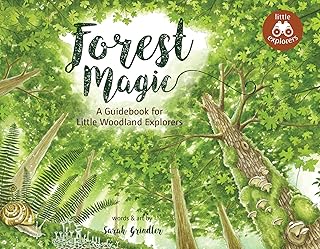
Forest Magic: A Guidebook for Little Woodland Explorers

Forest Magic by Sarah Grindler is a guide to all things forest. The text gently points out the miracle of seeds growing into tall trees, offering shelter to birds and insects. The beautiful art shows the difference between moss and lichen, explains how a nurse log propagates life and what you can do to support and encourage biodiversity. A lovely guide for young explorers in the forest. ISBN 978-1-77108-926-5, Nimbus Publishing

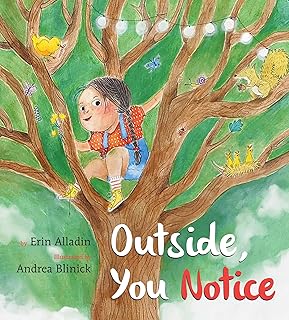
Outside, You Notice

Outside, You Notice by Erin Alladin, illustrated by Andrea Blinick. From the smell of rain to the feel of seeds – “the most important things in the world” – this picture book is a beautiful first introduction to the outdoors and helps to create awareness of the interconnectedness of nature. The book has a main text complemented by text boxes with more details as well as suggestions on ways to spend time outside: to parks, markets and more. ISBN 978-1-77278-193-9, Pajama Press

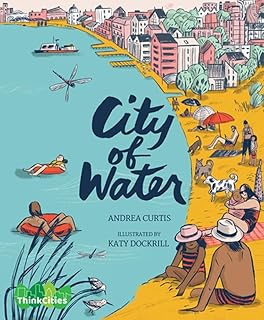
City of Water

City of Water, Andrea Curtis, illustrated by Katy Dockrill is for upper elementary and middle grade students. Where does the water in your tap come from? This book looks at all things water – from the history of aqueducts to how water treatment plants work. It highlights innovative ideas like turning salt water into drinkable water. I was interested to learn that “a bottle of water costs up to two thousand times more than the same amount of water coming from the tap, requires two thousand times more energy to produce and uses more water in the production process than an average bottle can hold!” Fascinating facts for budding environmentalist, and for anyone who drinks water. ISBN 978-1-77306-144-3, Groundwood Books

Margriet Ruurs is the author of environmental books like When We Go Camping, Amazing Animals, In My Backyard and The Elephant Keeper.