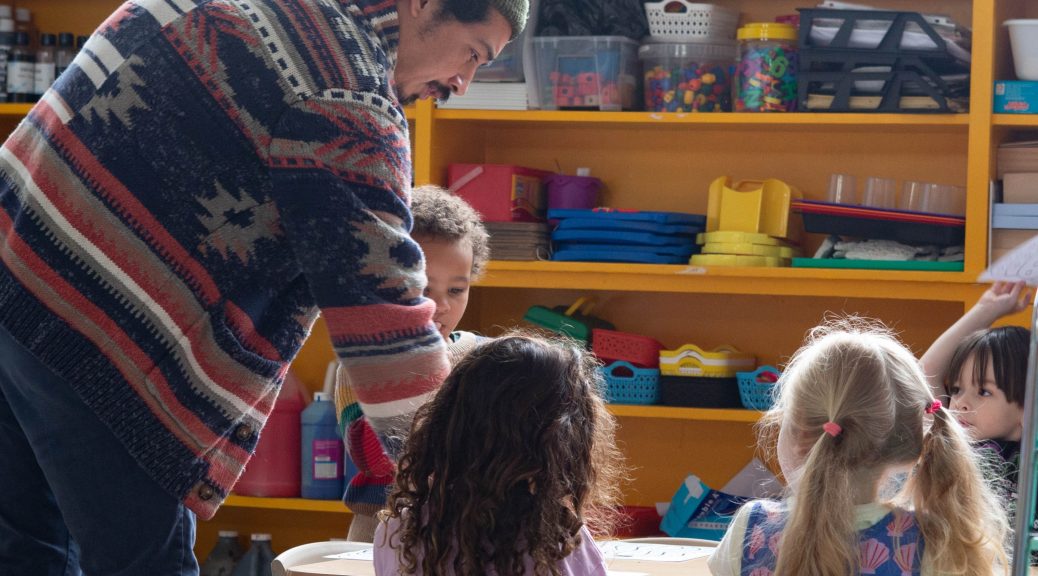
The other day I was walking the school at one of our campuses and enjoying some early years teaching. Observing some of our master teachers, three points came to mind:
1. Malleability and Foundational Development
Although the preconception that neuroplasticity stops in adults has been debunked to show that neuroplasticity is far more dynamic and contextual to experience, there is still an abundance of evidence to show that the neural connections made in children early on are extraordinarily voluminous and particularly important for their subsequent cognitive development. It is in the developing brain of early years that the foundations of learning are constructed in what’s known as exuberant synaptogenesis, an overproduction of synapses (over a million a second). This allows for fluid and fast skill acquisition (López, et al., 2024), making those years particularly important. On this note, it is not only the cerebral and cognitive impressions that make deep inroads in students’ minds during this phase of learning; behavioural norms and ethical standards (the “rules of the game” as it were) are forged. In other words, this phase of development is particularly crucial and sensitive.
2. The Holistic Challenge of Early Years Teaching
All teaching is holistic, and no teacher is merely teaching the academic dimension of being; they address psychological and emotional needs at the same time. However, teaching behavioural regulation alongside cognitive development to children below 5 is particularly challenging. Teachers need to be expert pedagogues, differentiating not only the Vygotskian Zone of Proximal Development (which is so very different for each child), but creating learning episodes that hold their attention and gently socialise children to manage themselves and learn to live with others, each at a different pace. Children under 5 can be impulsive and emotional: they have not yet mastered the codes of social organisation. The management of a group under such circumstances, let alone the task of educating foundational skills and knowledge within such parameters, makes the mission of early years teaching truly holistic. In short, teaching very young children is teaching to know, to learn, to be, and to live together; something that is exceptionally rich, complex and multi-facetted in design.
3. Curating Insatiable Curiosity
Young learners’ curiosity is insatiable: the barrage of questions, the overflow of enthusiasm and desire to participate, the constant flow of queries, thinking out loud and testing boundaries can be overwhelming for a parent. Imagine navigating that for a dozen children! Early years teachers have to show exceptional empathy and patience; they need to fuel such curiosity while curating it, to ensure that the students’ cognitive development is steady and positive while not letting the coherence of a lesson be taken off track. Psychologically, we are trying to teach young people to walk a straight line and to remain focused, thus exercising their executive function, while at the same time keeping the flame of inquiry alive, not clamping down on the extraordinary creativity and mind-wandering of young children. The science and art of early years teaching is a tightrope between socialisation and nurturing the sacred garden in each imagination: no mean feat.
Supporting these heroes
I say that our early years teachers are unsung heroes because, worldwide, they are paid less than secondary teachers (OECD, 2025) and when it comes to the 44 million dearth of teachers across the globe, a major problem, a key component, is early years teacher attrition (UNESCO, 2024): there is an exodus of primary teachers in general from the workforce, no doubt because of suboptimal conditions.
This means that school leaders, ministries and all those with decisional power in education have to make sure that we nurture, appreciate, and recognise the powerful work done on the frontline by early years teachers: they are pivotal in forming the future.
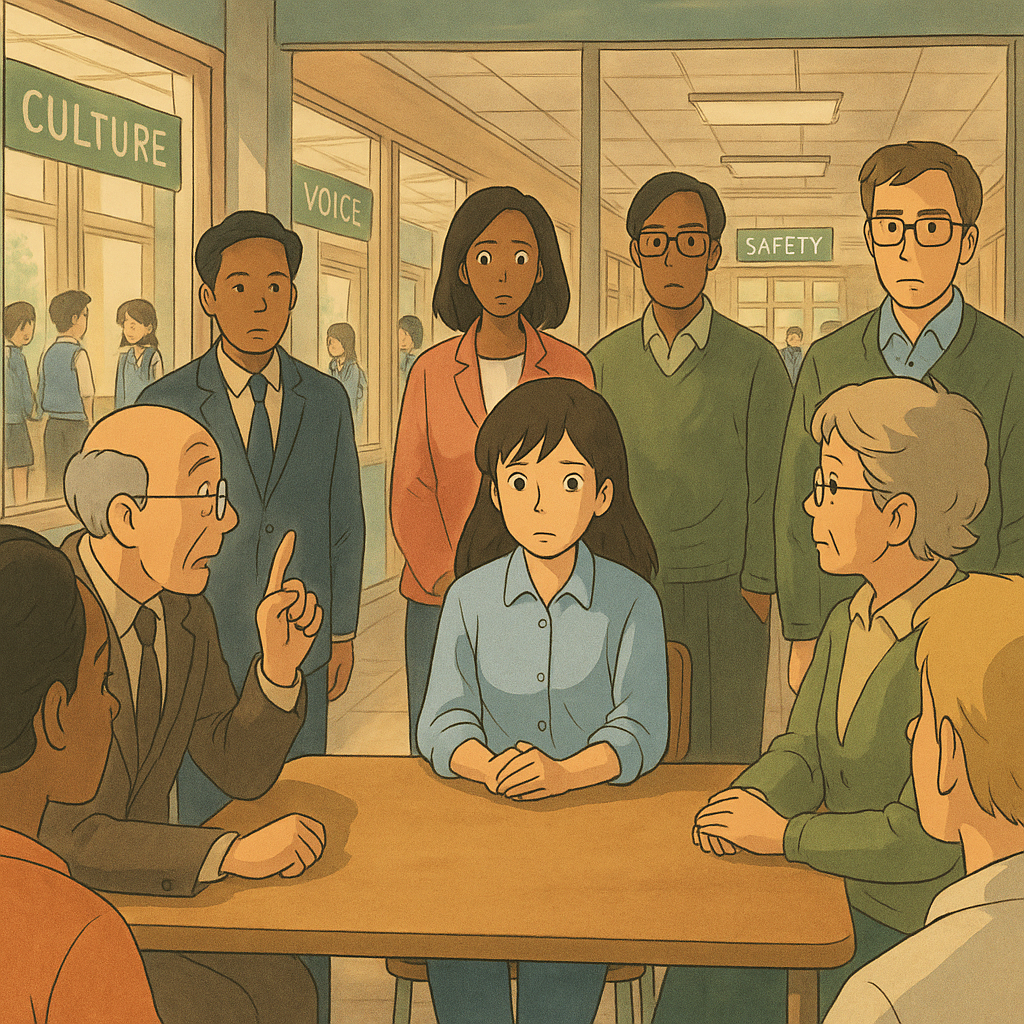
Three concrete ways to do this are: pay parity with secondary teachers, public celebration of their work and ensuring that on committees and at the decision table, the early years voice is heard and respected.
References
López, E., Alcaraz, R. S., & García, C. (2024). Econeurobiology and brain development in children: key factors affecting development, behavioral outcomes, and school interventions: Frontiers in Public Health, 12, 1376075.
OECD. (2025). Education at a Glance 2025: OECD Indicators, OECD Publishing, Paris.
UNESCO & International Task Force on Teachers for Education 2030. (2024). Global Report on Teachers: Addressing teacher shortages and transforming the profession. UNESCO Publishing.